🗓 Released Jun 2, 2026
⌛207 days estimated until next model(160 of 367 days through last cycle)
💰
Deals Advice
neutralEarly in cycle — full price expected
Early in cycle — full price expected
| AIB Card | Boost Clock | Cooling | TDP | Best For |
|---|---|---|---|---|
| Sapphire Pulse | Up to 2790 MHz | Dual-fan | 220W | Affordable AIB option |
| XFX | Up to 2790 MHz | Dual-fan | 220W | Alternative US availability |
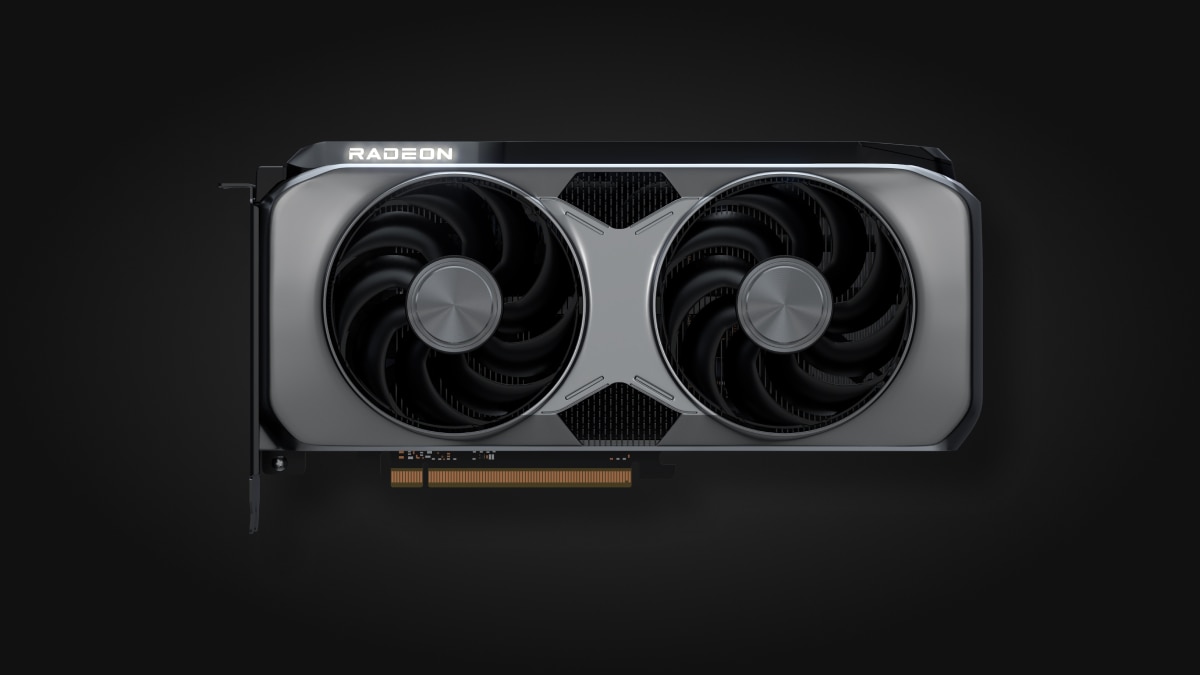
The AMD Radeon RX 9070 GRE is a cut-down RDNA 4 card: 48 compute units, 12GB of GDDR6 on a 192-bit bus, a boost clock up to 2.79 GHz and 220W board power. It launched in China in 2025 and went on sale worldwide, including the US, on 2 June 2026 at a $549 MSRP. AMD claims it is up to 22% faster than the 16GB RTX 5060 Ti. The catch is price: its MSRP matches the launch price of the RX 9070, which has 56 compute units and 16GB on a 256-bit bus, so reviewers called it a hard sell at $549. It makes sense when it sells clearly below the RX 9070.
Full access to AMD's ML-based FSR 4 upscaling and RDNA 4's improved ray tracing.
AMD claims up to 22% higher performance than the 16GB RTX 5060 Ti across 40+ games.
Enough VRAM for 1440p today, though less headroom than the 16GB RX 9070 and RX 9070 XT.
1440p gamers who want RDNA 4 and FSR 4 and can find the GRE meaningfully cheaper than the 16GB RX 9070.
The RX 9070 has more compute units (56 vs 48), 16GB instead of 12GB, and a wider 256-bit bus. Both launched at $549, so at equal prices the RX 9070 is the better card. The GRE only makes sense if it sells clearly cheaper.
AMD claims the GRE is up to 22% faster than the 16GB RTX 5060 Ti. The 5060 Ti has more VRAM (16GB vs 12GB) and DLSS 4. For raw 1440p performance the GRE leads; for VRAM headroom and DLSS, the 5060 Ti.
For 1440p, yes in most games. Some recent titles at maximum textures and 4K can exceed 12GB, which is where the 16GB RX 9070 is safer.
AMD has not announced RDNA 5. Current reports point to mid-2027 or later, so there is no imminent successor.